Join our WhatsApp group for updates. Join WhatsApp updates ↗
Join the WhatsApp property list for Hong Kong property updates. Join the property list ↗
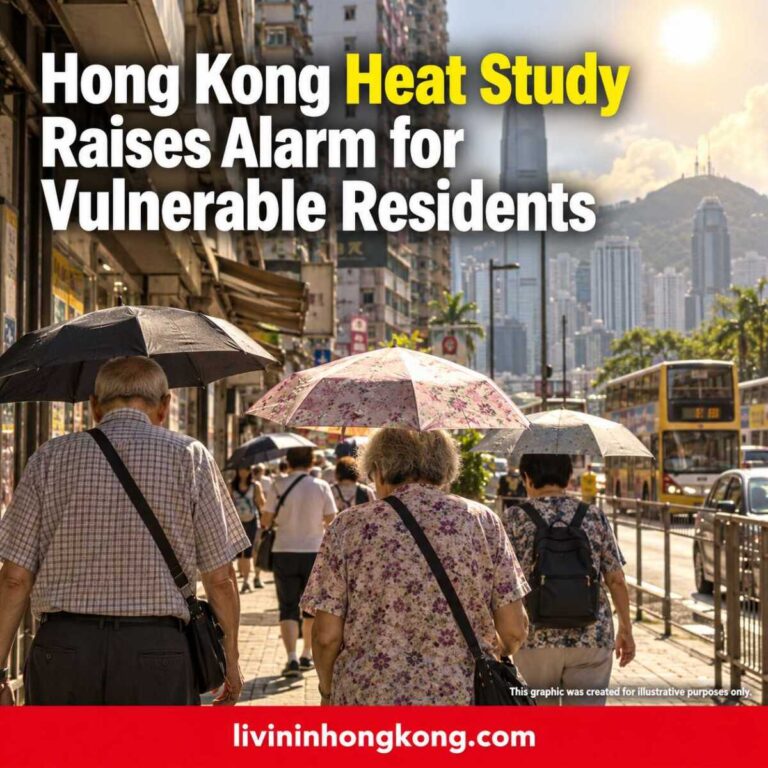
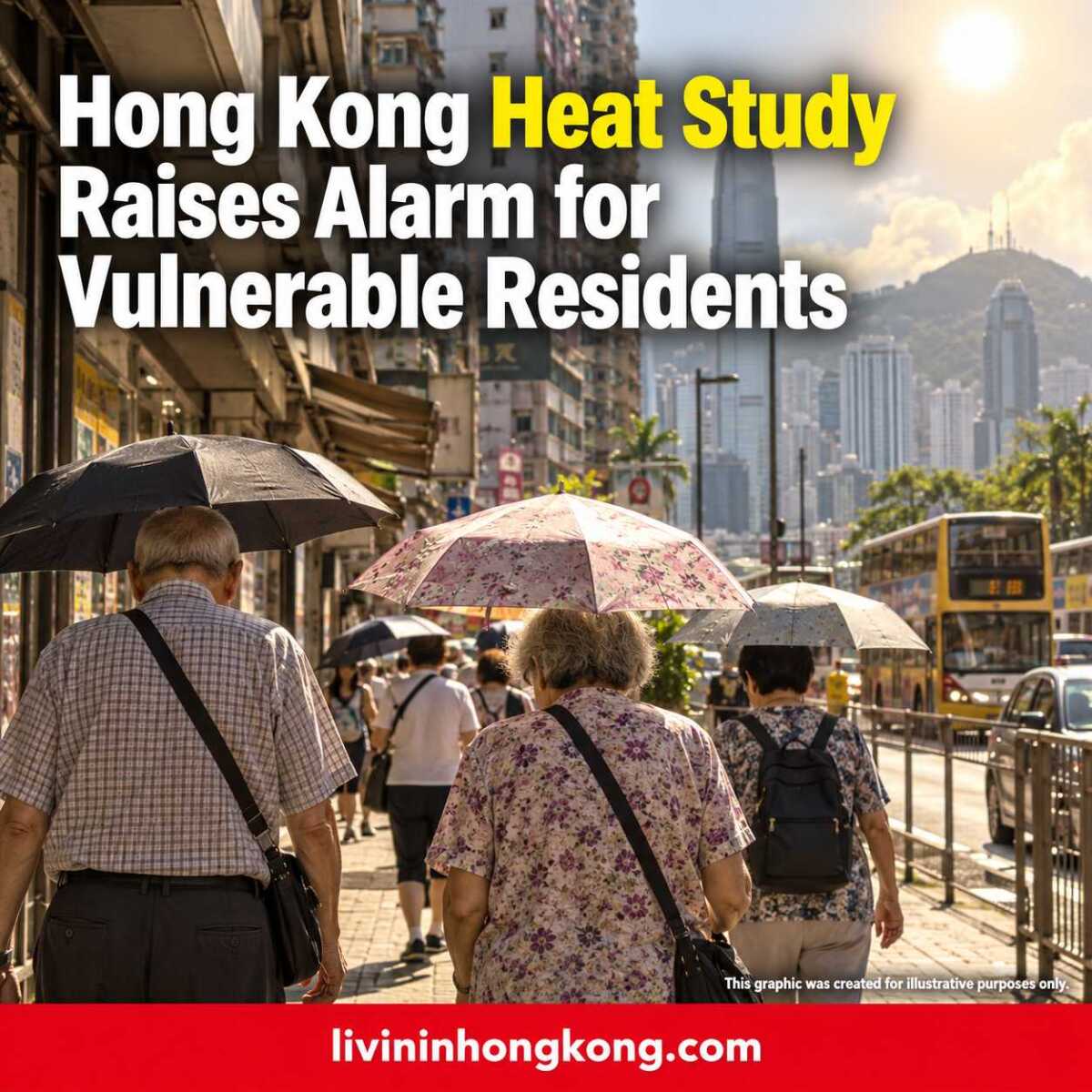
Heatwaves may have contributed to between 1,455 and 3,238 excess deaths in Hong Kong between 2014 and 2023, according to research involving University of Hong Kong academics. The estimate has renewed calls for a coordinated response to protect residents most vulnerable to extreme heat.
The South China Morning Post reported on 10 October that the study remains under peer review. Academics and environmentalists told the newspaper that Hong Kong needs an overarching heat-health action plan, with concerns about how vulnerable residents are protected.
The research estimates deaths associated with heat exposure using mortality and population data, Hong Kong Observatory temperature records and risk estimates from previous local studies. Its results vary according to the definition of a heatwave used in the modelling.
The figures therefore represent an estimated mortality burden, rather than individually confirmed heatstroke deaths. A public preprint of the research identifies men and people aged 65 or above as disproportionately affected. Its findings should be treated as preliminary while peer review continues.
Responding to SCMP, a government spokesman said work was continuing to strengthen the response capabilities of both the government and the community.
Hong Kong has also recently strengthened protections for workers. An enhanced Heat Stress at Work Warning system took effect on 28 August, introducing conditions intended to trigger earlier or higher warnings during exceptionally hot weather.
The wider health concern extends beyond outdoor workplaces. The Department of Health identifies older people, young children, pregnant women, people with chronic illnesses and outdoor or manual workers as particularly susceptible to heatstroke. It also warns that high temperatures can worsen cardiovascular and respiratory conditions.
Its advice includes maintaining a cool, ventilated indoor environment, avoiding prolonged activity in the heat and keeping in contact with family, neighbours and community support. People who develop symptoms such as dizziness, headache, nausea or confusion should rest and seek help promptly.
The preliminary research adds evidence to the debate over how Hong Kong can reach vulnerable residents before extreme heat becomes a medical emergency.
Sources:
- South China Morning Post — report published 10 October 2026
- Research preprint — Modelling the Excess Mortality Associated with Heat Waves in Hong Kong: 2014–2023
- Hong Kong Government — enhanced heat warnings, 27 August 2026
- Department of Health — precautions against heat-related illnesses, 2 June 2026